What surfing from Puerto Vallarta is really like
Surfing in Puerto Vallarta is less about walking from the Malecón straight into a perfect lineup and more about using the city as a comfortable base for Bahía de Banderas. The bay curves across Jalisco and Nayarit, and its headlands, beaches, reefs, and swell windows create very different conditions within a manageable region. That variety is useful, but it also makes choosing the right place more important than simply choosing the closest place.
Puerto Vallarta offers lodging, restaurants, an international airport, and easy vacation logistics. The surf experience usually begins with a drive north or south, a check of the wind and tide, and an honest assessment of ability. On some mornings the right choice is a mellow lesson wave. On others, capable surfers may travel farther for more exposed surf. Our Buena Ola surf experiences overview connects those options without pretending every break works every day.
Surf seasons and the best time to go
The Pacific coast receives energy from different directions through the year. From late spring into early autumn, southern-hemisphere storms and tropical systems can send south and southwest swell toward exposed coastlines. In the cooler months, north and northwest swells become more influential. Bahía de Banderas filters that energy unevenly, so a forecast that looks large offshore may produce gentle surf at a protected beach—or the reverse at a more exposed reef.
Morning wind is often lighter, which is why early departures are common. Tide can change wave shape, access, exposed rock, and current strength. Rainy-season runoff, river mouths, thunderstorms, and tropical weather deserve extra caution. Rather than promising a universal “best season,” define the goal: first whitewater rides, longboard-friendly walls, progression coaching, or more powerful surf. Then select a window and location that fit it. Our detailed Puerto Vallarta surf season guide explains monthly tendencies, exposure, wind, tide, and weather for travelers who need more depth.
| Period | Typical opportunity | Planning note |
|---|---|---|
| Winter | North and northwest swell at receptive breaks | Water and morning air can feel cooler; exposure varies greatly. |
| Spring | Transition days and mixed swell directions | Keep plans flexible as patterns change. |
| Summer | South swell and tropical-season energy | Monitor storms, rain, lightning, and water quality. |
| Autumn | Possible south swell early and seasonal transition | Conditions may shift quickly between systems. |
Choosing a surf area without chasing a famous name
A useful Puerto Vallarta surf guide should help you choose by conditions and skill, not publish a checklist that sends everyone to the same peak. La Lancha is widely known and can offer approachable conditions, but it is not automatically beginner-friendly at every tide or swell size. Other breaks around the bay may suit a particular swell direction, experienced surfers, or boat access. Access rules and local conditions can change.
Start with four questions: Does the wave suit your real ability? What are the entry and exit hazards? How will wind and tide change during the session? What is the plan if the first option is unsuitable? A guided surf trip from Puerto Vallarta is valuable when mobility and spot selection matter. The goal is not to collect locations; it is to spend more time in appropriate waves.
La Lancha: popular access with conditions that still vary
La Lancha is one of the better-known surf areas north of Puerto Vallarta and is often part of beginner and longboard conversations. That reputation should not be treated as a daily guarantee. Wave size, current, tide, crowding, entry conditions, and the walk to the beach can all change the experience. First-time visitors should confirm current access guidance and choose instruction when they cannot confidently assess the ocean.
Buena Ola’s local editorial view is to treat La Lancha as one possible match, not a default promise. On a suitable day it may support learning and progression; on another day a different plan—or no surf—is more responsible. This guide intentionally avoids precise takeoff directions or low-capacity nearby locations.
Punta de Mita: a regional base, not one single wave
Punta de Mita is commonly used as a broad geographic label for several coastal communities and surf options around the north side of Bahía de Banderas. Travelers should not assume that every wave associated with the name has the same access, exposure, bottom, crowd pattern, or suitable skill level. Some outings may involve additional transport or local guidance.
For trip planning, compare the day’s swell direction, wind, tide, ability, and access rather than booking around a famous place name. A guided trip can help with that decision, but it cannot guarantee wave quality or uncrowded conditions.
Nuevo Nayarit: convenient lodging with variable surf access
Nuevo Nayarit is a convenient accommodation area between Puerto Vallarta and surf zones farther north, but it should not be described as a guaranteed surf destination. Open beach conditions can vary, and a place that looks approachable from shore may still have current, shorebreak, or seasonal changes. Visitors should use current observations and stay within their swimming and surfing ability.
Its practical advantage is logistical: some travelers shorten the drive toward northern parts of the bay. The right session may still require traveling elsewhere, and transport planning should remain secondary to a safe conditions assessment.
Sayulita compared with a Puerto Vallarta surf base
Sayulita is a well-known surf town north of the bay with a concentrated visitor scene, walkable tourism, lessons, and often-busy water. Puerto Vallarta offers a larger city and airport base, with surf days more commonly organized around transport. Neither is universally better: the useful comparison is atmosphere, mobility, desired coaching, crowd comfort, and the conditions during the visit.
Travelers should avoid assuming Sayulita is always gentle or Puerto Vallarta always requires the same destination. Conditions change, crowd levels matter, and water-quality or access guidance should be checked locally. Buena Ola does not publish sensitive nearby spots in this pillar guide.
Learning to surf safely and efficiently
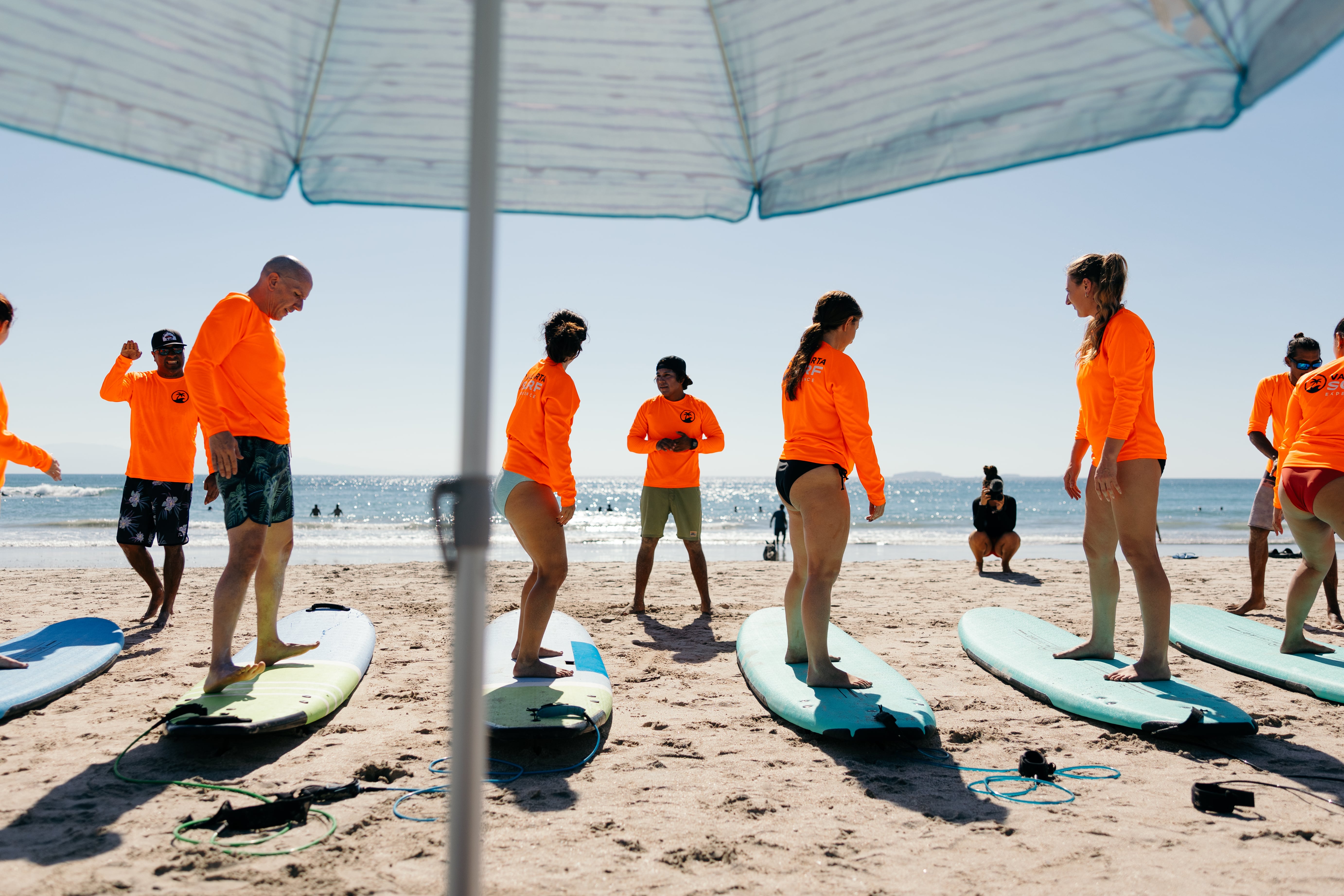
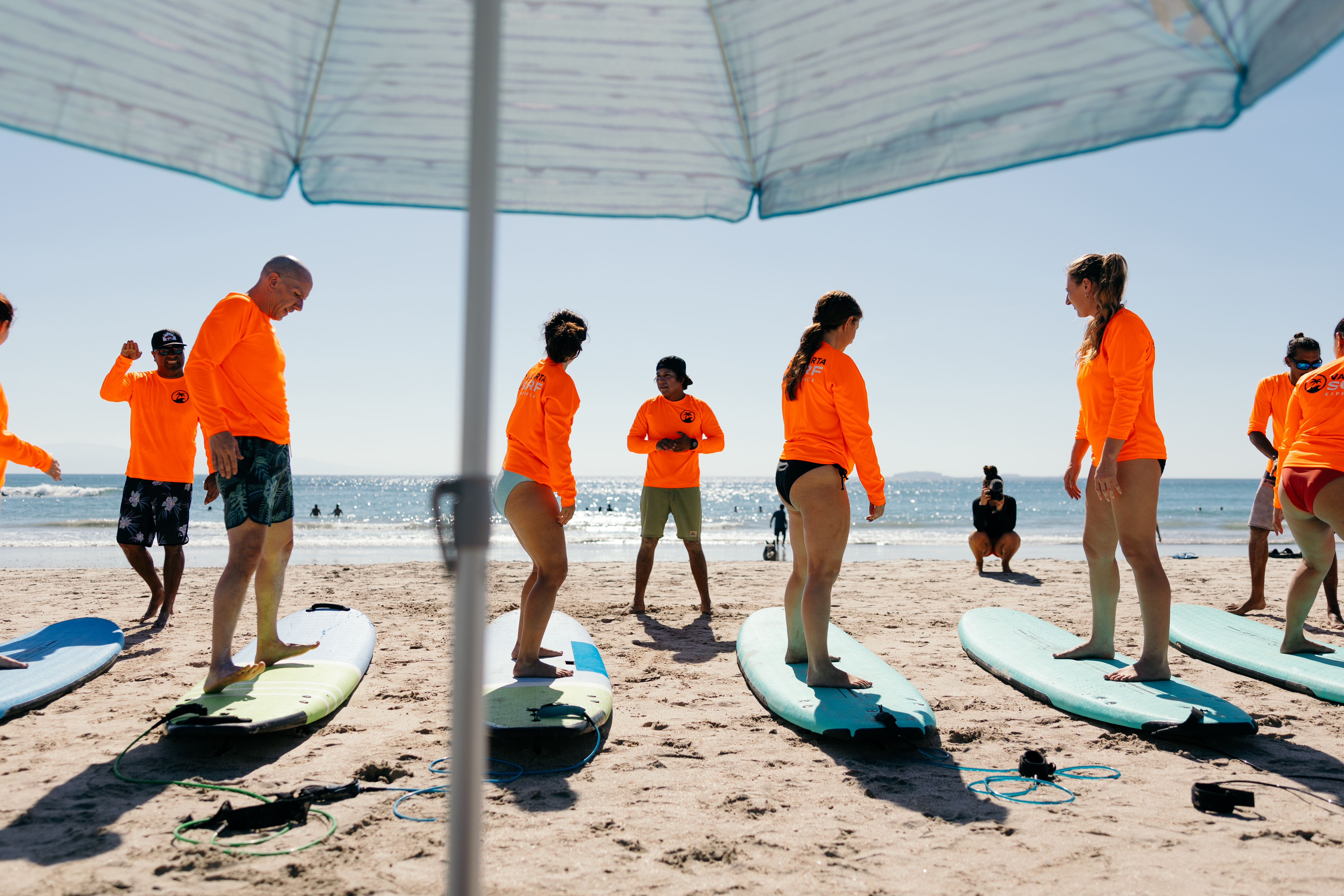
Beginners progress fastest when the environment simplifies the task. A suitable learner wave, enough space, a stable board, a leash in sound condition, and direct feedback are more valuable than a dramatic swell. A good first session covers stance, paddling, board control, falling safely, basic right-of-way, and awareness of other ocean users before adding complexity.
Our Puerto Vallarta surf lessons page compares available formats. Travelers who want maximum instructor attention can consider a private surf lesson. Group energy can be fun, but private coaching is often the clearer choice for nervous first-timers, families with distinct needs, or surfers working on a specific technique.
Transport, access, and what to bring
A standard taxi or rideshare may not accept a full-size surfboard, and cell coverage or pickup availability can be inconsistent near access trails. Confirm the return plan before leaving town. A dedicated surf shuttle from Puerto Vallarta can make sense for independent surfers who already know what conditions and equipment suit them.
Bring reef-safe sun protection, drinking water, a rash guard, secure swimwear, a small towel, and any essential medication. Footwear helps on paths and hot ground. Keep valuables minimal and never leave them visible in a vehicle. If using your own equipment, inspect the leash, fins, and board before departure. If taking a lesson, confirm what is included rather than buying gear unnecessarily.
Surf etiquette and respectful travel
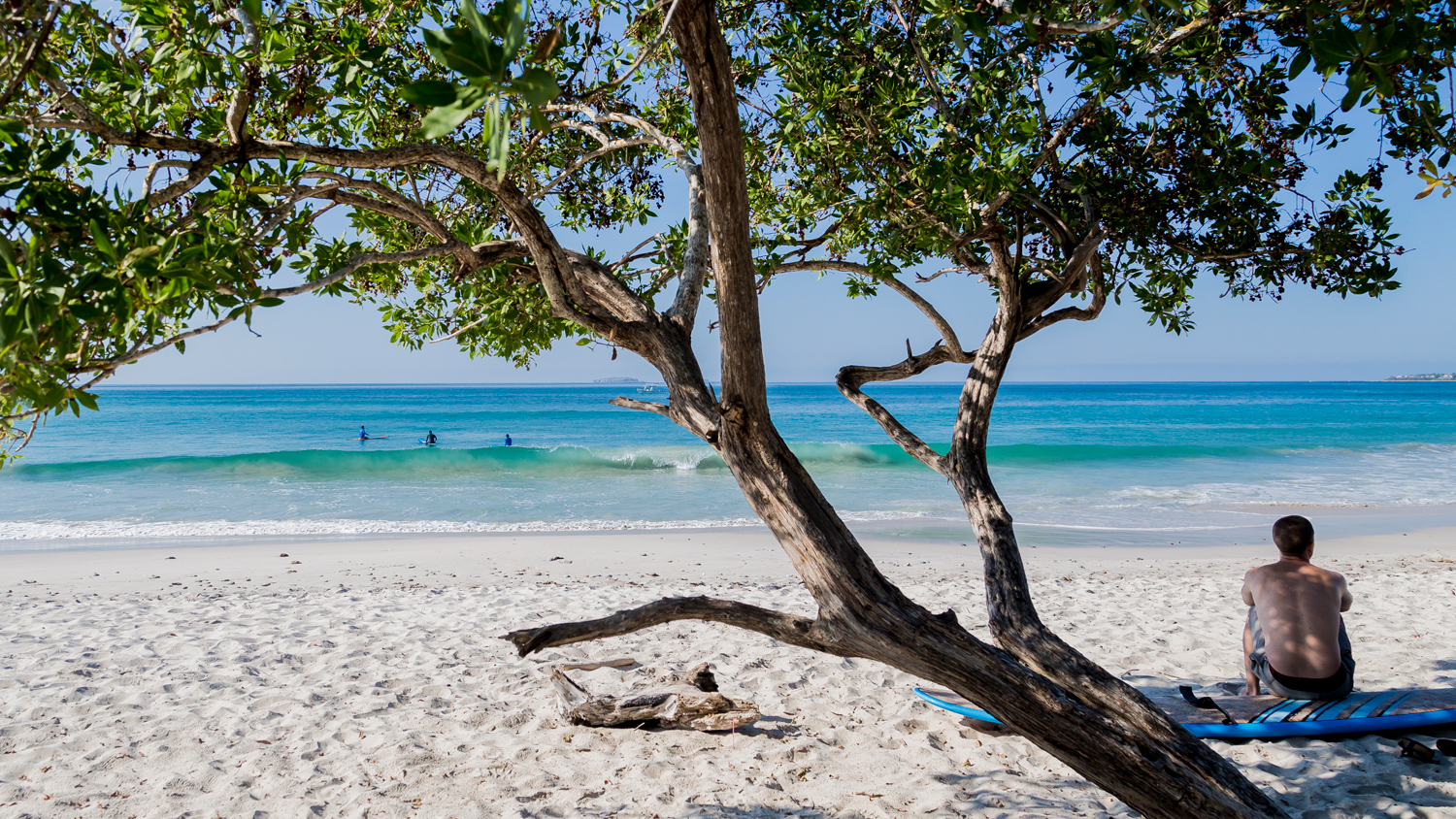
Right-of-way rules reduce collisions, but respectful surfing goes beyond memorizing who is closest to the peak. Do not drop in, snake, ditch a board where it can hit someone, or paddle into conditions you cannot manage. Communicate clearly, wait your turn, and give learners room. At a localized or crowded break, observe before entering and avoid arriving as a large unmanaged group.
Respect access paths, private property, wildlife, fishing activity, and community instructions. Pack out everything you bring. Spend locally when possible and avoid geotagging sensitive or low-capacity locations. Surf tourism works best when visitors treat the coast as a living community rather than a product.
A simple decision plan for your trip
- Define the surfer: first-timer, progressing beginner, intermediate, or independent advanced surfer.
- Define the goal: a safe introduction, technique work, uncrowded exploration, or efficient transportation.
- Check the variables: swell direction and period, wind, tide, weather, access, and recent local observations.
- Select the service only if useful: coaching for learning, a trip for guided selection, or a shuttle for independent logistics.
- Keep a fallback: a smaller wave, a later session, land-based instruction, or a no-surf day.
This approach protects both enjoyment and safety. It also keeps informational research separate from booking intent: use this pillar to understand the region, then follow the relevant service link only when you know what support you need.
Frequently asked questions
Can you surf in Puerto Vallarta?
Yes. Puerto Vallarta is a practical base for reaching surf breaks around Bahía de Banderas. Conditions vary by season, swell direction, tide, wind, and the chosen beach, so local planning matters.
What is the best time of year to surf near Puerto Vallarta?
There is no single best month for everyone. Summer and early autumn can receive south swells, while winter often brings north and northwest energy to exposed breaks. Beginners should prioritize manageable conditions and good coaching rather than the largest forecast.
Is Puerto Vallarta surfing suitable for beginners?
Yes, when the break, tide, equipment, and coaching match the learner. A sheltered, user-friendly wave on a modest day is more important than choosing a famous spot.
Do I need a car to reach surf breaks?
Not necessarily. Some travelers use a lesson, guided trip, or surf shuttle because boards, access paths, timing, and changing conditions can make ordinary transportation inconvenient.
Should I bring my own surfboard?
Experienced surfers may value familiar equipment, but rentals and lesson equipment can remove airline and transport complications. Beginners usually benefit from a stable board selected for their size and the day’s conditions.
Sources and local review
External factual guidance:
- Rip Current Safety, NOAA Ocean Service — General guidance on rip currents and coastal water movement.
First-hand local editorial guidance: Manual review of broad destination context, access cautions, skill-level framing, and service-intent boundaries. Conditions and access must still be confirmed for the day. Reviewed by Buena Ola Surf Co. Editorial Team on .